Networking Comparison
TP-Link Omada vs Ubiquiti UniFi
TP-Link Omada and Ubiquiti UniFi are the two professional Wi-Fi and networking platforms Express IT Solutions deploys most often in Goa for offices, hotels, villas and multi-site businesses. Both are managed, scalable platforms that go beyond consumer Wi-Fi. This guide compares them by hardware, management software, guest access, multi-site handling, support and total cost — using the type of deployments we actually do in Goa.
Serving Panaji, Margao, Vasco, Mapusa, Ponda & all of Goa
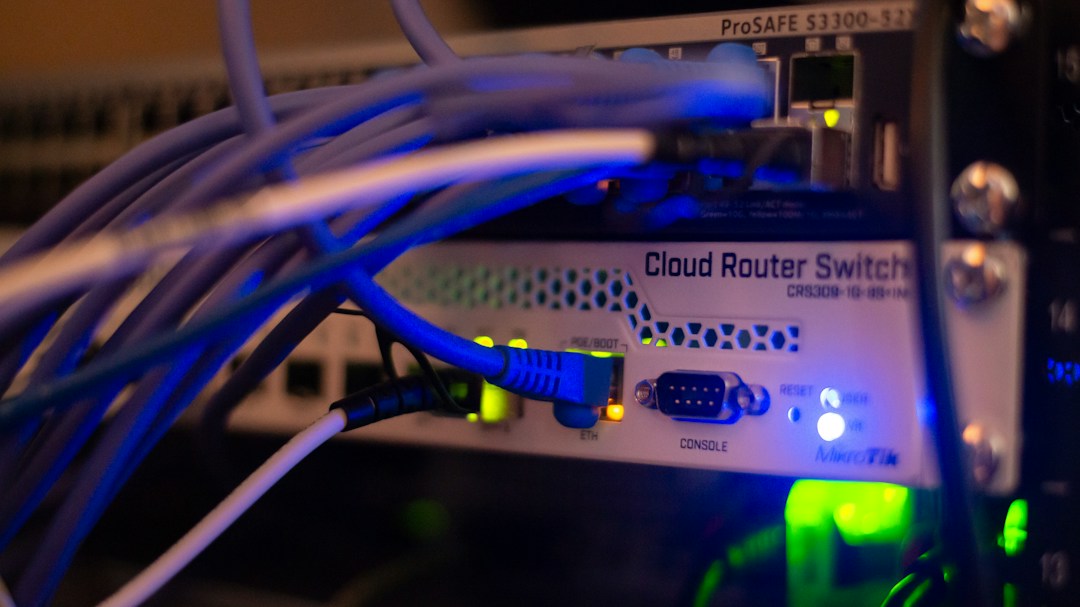
Platform Overview
- Omada: TP-Link's SDN business networking platform covering routers, PoE switches and Wi-Fi access points managed through the Omada Controller or Omada Cloud. No per-device subscription fee for cloud management
- UniFi: Ubiquiti's networking platform covering gateways, PoE switches, Wi-Fi access points, cameras and VoIP managed through UniFi Network Controller. Cloud management via UniFi Site Manager at no extra cost
- Both platforms use a single controller to manage all devices — switches, gateways and access points — rather than managing each device separately
Hardware Range
- Omada: Good range covering home office to medium business. Strong PoE switch options. Wi-Fi 6 and Wi-Fi 5 access points for indoor and outdoor use
- UniFi: Broader range covering small office through enterprise. More access point models including stadium-grade high-density units. Strong gateway line including UDM Pro with built-in IDS/IPS
- For most Goa office, shop, villa or boutique hotel installations, both platforms have suitable hardware. Larger hotels or dense conference environments benefit from UniFi's wider AP choice
Controller and Management
- Omada: Controller runs as software on a server or VM, on the dedicated OC300 hardware controller, or hosted free on Omada Cloud. No recurring cloud fee
- UniFi: Controller runs on UniFi OS Consoles (UDM Pro, UCK G2 Plus), on a self-hosted server, or via UniFi Hosting (paid). Site Manager provides remote access at no extra cost
- Omada Cloud is free and simpler to set up — a significant advantage for smaller deployments where a separate controller device is not justified. UniFi's console hardware gives a stable local controller for larger installations
Guest Wi-Fi and VLANs
- Both platforms support multiple SSIDs mapped to VLANs — separate networks for staff, guests, IoT devices and management
- Omada: Built-in captive portal with voucher, SMS and social login options. Suitable for hotel and restaurant guest Wi-Fi
- UniFi: Hotspot portal with similar captive portal options. Deeper VLAN and firewall policy control available through UniFi Network
- For hotel guest Wi-Fi with voucher management, both platforms are capable. Omada's portal setup is slightly simpler for straightforward deployments
Multi-Site Use
- Omada Cloud manages multiple sites from one dashboard at no extra cost — useful for businesses with properties across North and South Goa
- UniFi Site Manager provides cross-site visibility and remote access at no extra subscription cost
- Both platforms handle multi-site deployments well. Remote diagnostics and firmware management are available on both without per-site fees
Cost and Support
- Omada is generally 20–40% less expensive than equivalent UniFi hardware at the same specification level. The gap narrows at the high end
- Omada does not charge for cloud management. UniFi charges for UniFi Hosting if self-hosting is not possible
- Both are supplied by Express IT Solutions with India warranty and AMC support in Goa
- Omada is recommended for most Goa office, hotel and villa deployments where budget is a consideration and the hardware range is sufficient
- UniFi is recommended where the project requires a wider AP selection, deeper firewall control or integration with UniFi cameras and VoIP
Useful Resources
Not Sure Which Wi-Fi Platform to Choose?
Call or WhatsApp us. We will assess your property and requirements, recommend the platform that best fits your budget and use case, and provide a detailed quote.